

Low-Fat Diet Food List: A Comprehensive Guide
Navigating a low-fat dietary approach requires informed choices, focusing on naturally lean options like fruits, vegetables, and whole grains for optimal health benefits.
Prioritizing fresh produce, legumes, and lean proteins while carefully scrutinizing packaged “low-fat” items is crucial to avoid hidden fats and support weight management.
A printable guide aids in streamlining meal planning, especially for conditions like gallstones or high cholesterol, ensuring adherence to a balanced, low-fat regimen.
Understanding the Low-Fat Diet
A low-fat diet centers around reducing overall fat intake, typically aiming for less than 30% of daily calories from fat sources. This isn’t about eliminating fat entirely, as some fats are essential for health, but rather prioritizing lean options and minimizing unhealthy ones. The core principle revolves around choosing foods naturally low in fat – think abundant fruits, vegetables, and whole grains – as the foundation of your meals.
However, it’s crucial to understand that “low-fat” doesn’t automatically equate to “healthy.” Many processed low-fat foods compensate for the reduced fat content by adding sugars, salt, or other additives to enhance flavor, potentially negating the benefits. This is where careful label reading becomes paramount. A truly effective low-fat diet emphasizes whole, unprocessed foods.
The goal isn’t simply weight loss, although that’s often a result. It’s about improving overall health, potentially managing conditions like high cholesterol or gallstones, and reducing the risk of lifestyle diseases linked to high-fat consumption. A well-planned low-fat approach supports a healthier relationship with food and promotes sustainable dietary habits.
The Risks of “Hidden” Fats in Low-Fat Foods
The allure of “low-fat” labeling can be deceptive. Manufacturers often compensate for reduced fat by increasing sugar, salt, or refined carbohydrates to maintain palatability. This seemingly healthier choice can inadvertently fuel belly fat and contribute to weight gain, undermining dietary efforts. Fat-free yogurts, for example, frequently contain added sugars exceeding those in their full-fat counterparts.
Similarly, low-fat ready meals and sauces may rely on hidden fats and unhealthy additives. These processed foods often lack the nutritional density of whole, unprocessed alternatives. Reduced-fat crackers can be surprisingly high in sugar and sodium, offering minimal nutritional value. This substitution can lead to increased calorie intake and a less satisfying dietary experience.
Therefore, relying solely on “low-fat” claims is insufficient. Scrutinizing nutrition labels for total sugar content, sodium levels, and the presence of unhealthy fats is essential. Prioritizing whole, naturally low-fat foods remains the cornerstone of a truly healthy and effective low-fat diet, avoiding the pitfalls of hidden ingredients.
Navigating Fasting Periods with Low-Fat Options
During fasting periods, like the nine-day Navratri festival, maintaining a low-fat intake requires careful planning. Traditional fasting diets often restrict grains and legumes, necessitating a focus on permitted, low-fat alternatives. Fruits and certain vegetables become central to sustaining energy levels while adhering to dietary constraints.
Prioritizing fresh, seasonal produce ensures optimal nutrient intake. Options like cucumbers, gourds, and specific fruits can provide hydration and essential vitamins without contributing excessive fat. Utilizing low-fat cooking methods, such as steaming or grilling, further minimizes fat consumption during these periods.
However, it’s crucial to avoid relying heavily on fried or processed fasting foods, which often contain hidden fats. Mindful portion control and a focus on naturally low-fat choices are key to successfully navigating fasting periods while maintaining a healthy dietary approach. A pre-planned list of approved foods simplifies adherence and prevents impulsive, less healthy selections.
The Connection Between Obesity and Low-Fat Diets
Paradoxically, the rise in obesity coincides with the increased popularity of low-fat diets. A weight loss doctor warns that many marketed “low-fat” foods can inadvertently contribute to belly fat accumulation. This occurs because manufacturers often compensate for reduced fat content by adding sugars, refined carbohydrates, and other additives to enhance flavor and texture.
These additions can lead to increased calorie intake and insulin resistance, ultimately promoting fat storage, particularly around the abdomen. The focus on fat reduction can also lead to neglecting essential nutrients and overconsumption of processed foods perceived as “healthy” due to their low-fat labeling.
Therefore, a truly effective approach isn’t simply about minimizing fat, but about prioritizing whole, unprocessed foods and maintaining a balanced macronutrient intake. Understanding the potential pitfalls of “hidden” fats in low-fat products is crucial for preventing unintended weight gain and promoting overall health.
The Role of Carbohydrates in a Low-Fat Plan
Carbohydrates often receive negative attention regarding weight gain, yet nutritious, high-carbohydrate foods are fundamental to a successful low-fat diet. A diet low in fat and rich in fruit, vegetables, and whole-grain fiber is generally considered healthy, forming the basis for many weight management strategies.
However, the type of carbohydrate matters significantly. Prioritizing complex carbohydrates – found in whole grains, legumes, and vegetables – provides sustained energy and fiber, promoting satiety and aiding digestion. These choices help regulate blood sugar levels, preventing the energy crashes and cravings that can derail a diet.
Conversely, refined carbohydrates like white bread, pastries, and sugary drinks offer minimal nutritional value and can contribute to weight gain. A balanced low-fat plan emphasizes carbohydrate sources that support overall health and contribute to a feeling of fullness, rather than hindering weight loss efforts.
Core Food Groups for a Low-Fat Diet
Building a low-fat diet centers around fruits, vegetables, whole grains, and lean proteins, providing essential nutrients while minimizing fat intake for optimal wellness.
Fruits: Naturally Low-Fat Choices
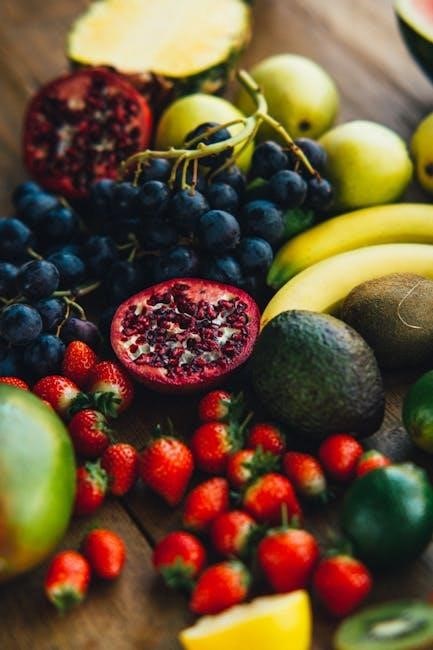
Fruits are inherently low in fat, making them a cornerstone of any effective low-fat diet plan. They offer a delightful sweetness alongside a wealth of essential vitamins, minerals, and fiber, contributing to overall health and satiety. From apples and bananas to berries and citrus fruits, the variety is vast, ensuring a diverse and enjoyable dietary experience.
Incorporating fruits into your meals and snacks is remarkably simple. Enjoy them as a standalone snack, add them to your breakfast cereal or yogurt (opting for non-fat varieties, of course!), or blend them into refreshing smoothies. Remember to prioritize whole fruits over fruit juices, as the latter often contain added sugars and lack the beneficial fiber found in the whole fruit.
Consider options like apples, oranges, grapefruits, berries (strawberries, blueberries, raspberries), peaches, pears, and melons. These choices provide a spectrum of flavors and nutrients, supporting a well-rounded dietary intake. A diet rich in fruit is likely to be healthy, forming a basis for weight management and improved well-being. Embrace the natural sweetness and nutritional power of fruits as a key component of your low-fat journey.
Vegetables: The Foundation of a Low-Fat Meal
Vegetables should form the bedrock of any successful low-fat diet, offering an abundance of nutrients with minimal fat content. Whether fresh, frozen, or even low-sodium canned, they provide essential vitamins, minerals, and fiber, promoting fullness and supporting overall health. Their versatility allows for endless culinary possibilities, ensuring your meals remain exciting and satisfying.
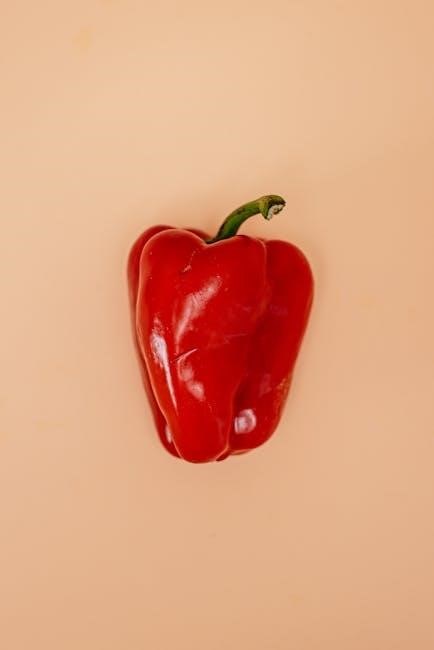
Embrace a rainbow of colors – leafy greens like spinach and kale, cruciferous vegetables like broccoli and cauliflower, root vegetables like carrots and sweet potatoes, and vibrant options like bell peppers and tomatoes. These diverse choices deliver a wide range of antioxidants and phytonutrients, bolstering your immune system and protecting against chronic diseases.

Preparation methods are key. Steaming, grilling, roasting, or stir-frying with minimal oil are excellent choices. Avoid adding high-fat sauces or dressings. Prioritize low-sodium options when using canned vegetables. Including plenty of vegetables in every meal is a simple yet powerful strategy for achieving and maintaining a healthy weight, and a truly healthy diet is low in fat.
Whole Grains: Fiber-Rich and Low in Fat
Whole grains are invaluable allies in a low-fat dietary plan, providing sustained energy and promoting digestive health thanks to their high fiber content. Unlike refined grains, whole grains retain all parts of the kernel – the bran, germ, and endosperm – maximizing their nutritional benefits. This fiber contributes to feelings of fullness, helping to control appetite and support weight management.
Excellent choices include brown rice, quinoa, oats, barley, and whole-wheat bread and pasta. Opt for minimally processed options whenever possible, avoiding those with added sugars or unhealthy fats. Be mindful of portion sizes, as even healthy foods contribute to calorie intake. Incorporating whole grains into your meals provides a satisfying and nutritious base for a balanced diet.
A diet rich in whole grain fiber is likely to be healthy, forming the basis of many weight management strategies. They offer a complex carbohydrate source, providing a steady release of energy and preventing blood sugar spikes. Prioritizing whole grains over refined alternatives is a simple yet impactful step towards a healthier lifestyle.
Lean Proteins: Essential for Muscle Maintenance
Lean proteins are absolutely crucial when following a low-fat diet, playing a vital role in preserving and building muscle mass. Muscle tissue boosts metabolism, aiding in weight management and overall health. Unlike fats, protein provides sustained satiety, helping to control hunger and reduce cravings.
Excellent sources include skinless poultry (chicken and turkey breast), fish (especially white fish), beans, lentils, and tofu. When consuming meat, choose lean cuts and trim any visible fat. Legumes and beans are particularly valuable, offering both protein and fiber. Prioritize cooking methods that don’t add extra fat, such as baking, grilling, or steaming.
Adequate protein intake is essential for maintaining a healthy body composition, even during weight loss. It supports vital bodily functions and helps prevent muscle loss, which can slow down metabolism. Incorporating lean protein into every meal ensures you’re fueling your body with the nutrients it needs to thrive on a low-fat plan.
Specific Low-Fat Food Choices
Selecting appropriate foods is key: skim dairy, lean meats, white fish, and legumes are excellent choices. Avoid hidden fats in processed “low-fat” options.
Focus on fresh, whole foods, prioritizing fruits, vegetables, and whole grains for a balanced, effective, and sustainable low-fat dietary approach.
Dairy: Opting for Skim and Non-Fat Options
When embracing a low-fat diet, dairy choices require careful consideration. Traditional dairy products often contain significant amounts of saturated fat, potentially hindering weight loss or impacting cholesterol levels. Fortunately, readily available alternatives allow you to enjoy dairy’s nutritional benefits without the added fat.
Skim milk, as the name suggests, has virtually all the fat removed, providing calcium and vitamin D with minimal fat content. Nonfat sour cream offers a similar advantage, delivering the creamy texture you crave without the associated fat. Similarly, opting for nonfat yogurt is a smart move, but be mindful of added sugars, which can negate some of the health benefits. Always check the nutrition label!
Reduced-fat cheeses can be included in moderation, but even these often contain a surprising amount of fat. Prioritize smaller portions and consider using stronger-flavored cheeses, allowing you to use less while still achieving a satisfying taste. Remember to always compare nutrition labels to make the most informed choice, and prioritize whole, unprocessed foods whenever possible.
Ultimately, selecting skim and non-fat dairy options is a simple yet effective strategy for significantly reducing your fat intake while still enjoying the benefits of calcium and other essential nutrients.
Meat & Poultry: Selecting Lean Cuts
Incorporating meat and poultry into a low-fat diet requires strategic selection. While these provide essential protein, many cuts are high in saturated fat. Prioritizing lean options is crucial for maintaining a heart-healthy and weight-conscious eating plan. Look for cuts with minimal visible marbling – that’s where the fat resides.
For beef, choose options like sirloin, tenderloin, round steak, or flank steak. These cuts naturally contain less fat than ribeye or prime rib. With poultry, skinless chicken or turkey breast are excellent choices. Removing the skin dramatically reduces the fat content. Ground turkey or chicken should be labeled “lean” or “extra lean” to ensure minimal fat.
When preparing meat and poultry, avoid frying. Instead, opt for grilling, baking, broiling, or poaching. Trimming any visible fat before cooking further reduces the overall fat intake. Be mindful of added fats during cooking, such as butter or oil, and use them sparingly.
Remember, portion control is also key. Even lean cuts should be consumed in moderation as part of a balanced diet. Careful selection and preparation methods can allow you to enjoy meat and poultry while adhering to your low-fat goals.
Fish: Fatty Fish in Moderation, Lean Fish Preferred
Fish is a valuable component of a healthy diet, offering protein and beneficial omega-3 fatty acids. However, when following a low-fat plan, the type of fish matters significantly. While fatty fish like salmon, mackerel, and tuna are rich in omega-3s, they also contain higher levels of fat. These can be included in moderation, typically once or twice a week, to reap their health benefits without compromising your fat intake goals.
Leaner fish options, such as cod, haddock, flounder, tilapia, and sole, are preferable for more frequent consumption. These provide excellent protein with minimal fat. When selecting fish, consider preparation methods. Baking, grilling, poaching, or steaming are ideal, avoiding frying or heavy sauces that add unnecessary fat.
Be mindful of added fats during cooking. A squeeze of lemon juice or a sprinkle of herbs can enhance flavor without increasing the fat content. Canned fish, like tuna packed in water, is a convenient option, but check the sodium content. Prioritizing lean fish most often supports a successful low-fat dietary approach.
Legumes & Beans: Excellent Low-Fat Protein Sources
Legumes and beans represent a cornerstone of a successful low-fat diet, providing a substantial protein boost alongside a wealth of fiber and essential nutrients. Unlike many protein sources, they are naturally very low in fat, making them an ideal choice for those aiming to reduce their overall fat intake. This includes varieties like lentils, chickpeas, kidney beans, black beans, and pinto beans;
Their high fiber content promotes satiety, aiding in weight management by helping you feel fuller for longer. This can reduce the temptation to overeat or snack on less healthy options. Legumes are incredibly versatile and can be incorporated into numerous dishes – soups, stews, salads, and even as a meat substitute in burgers or tacos.
When preparing legumes, avoid adding high-fat ingredients like butter or creamy sauces. Seasoning with herbs, spices, and a touch of lemon juice enhances flavor without compromising your dietary goals. They are a cost-effective and nutritious addition to any low-fat meal plan.

Cooking Methods & Fats to Use
Employ techniques like baking, grilling, steaming, or boiling to minimize added fats. Utilize low-fat or fat-free margarine sparingly, avoiding butter, lard, and fried foods.
Prioritize healthy oils in moderation, while strictly avoiding high-fat options like gravies and regular salad dressings for optimal dietary success.
Low-Fat Cooking Techniques
Mastering low-fat cooking isn’t about deprivation; it’s about smart substitutions and innovative methods. Steaming, baking, grilling, poaching, and boiling are your allies, preserving flavor while minimizing added fats. When sautéing, use vegetable broth instead of oil, or a minimal spray of cooking spray.
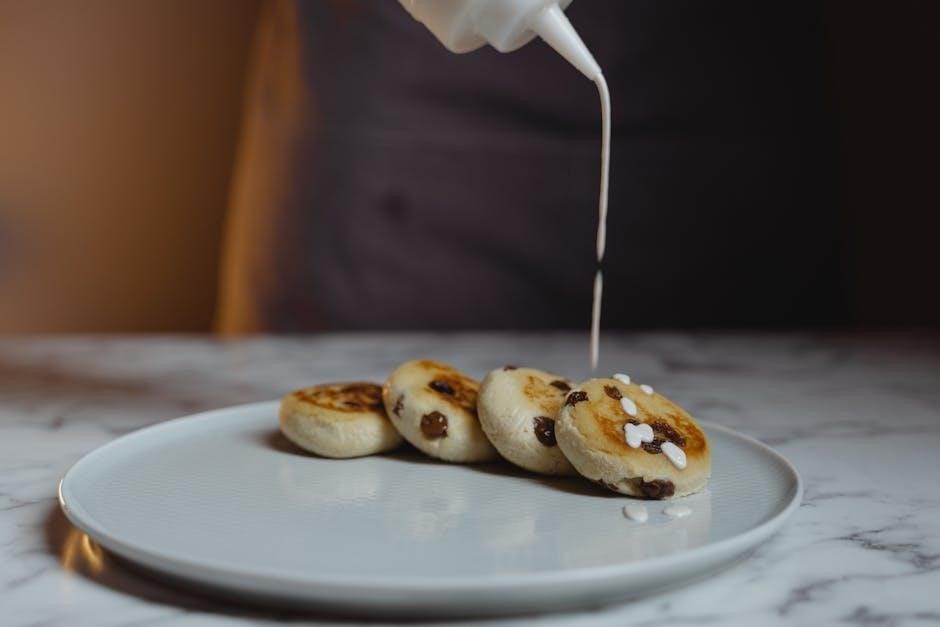
Roasting vegetables brings out their natural sweetness without needing excessive oil – a light spritz is often sufficient. For meats, trimming visible fat before cooking is paramount. Consider using parchment paper to prevent sticking, reducing the need for fats.
Embrace techniques like using non-stick cookware, which drastically reduces the amount of fat required. When making sauces, opt for tomato-based options or use low-fat yogurt as a creamy substitute. Remember to drain off any excess fat after browning meats.
Experiment with herbs and spices to enhance flavor, lessening the reliance on fat for palatability. Slow cooking can also tenderize leaner cuts of meat, making them more enjoyable without added fats. Ultimately, low-fat cooking is about maximizing flavor with minimal fat content.
Healthy Fats: Oils to Include (in moderation)
While a low-fat diet emphasizes minimizing fat intake, completely eliminating fats isn’t advisable. Certain fats are essential for health and can be included in moderation. Olive oil, particularly extra virgin, is a cornerstone, offering monounsaturated fats beneficial for heart health.
Avocado oil is another excellent choice, boasting a high smoke point suitable for various cooking methods. Flaxseed oil provides omega-3 fatty acids, though it’s best used cold due to its lower smoke point. Sunflower oil, when carefully selected, can also be incorporated, avoiding those on the ‘avoid’ list.
Remember, portion control is key. Even healthy fats are calorie-dense. A tablespoon or two per day is generally sufficient. Prioritize using these oils for finishing dishes or in salad dressings rather than high-heat cooking whenever possible.
Focus on quality over quantity, choosing cold-pressed or expeller-pressed oils to retain their nutritional benefits. Always store oils properly, away from light and heat, to prevent rancidity.
Fats to Avoid: A Comprehensive List
A successful low-fat diet necessitates a clear understanding of fats to limit or eliminate. Butter, lard, and beef tallow are high in saturated fats and should be avoided. Similarly, visible fats on meats, like skin on poultry, contribute significantly to fat intake and are best trimmed.
Processed foods often contain hidden fats. Avoid gravies, regular mayonnaise, and creamy salad dressings. Be cautious with fried foods, as they absorb substantial amounts of oil during cooking. Sour cream, while seemingly innocuous, is also high in fat.
Specifically, limit or exclude palm oil and coconut oil, despite some claims of health benefits, as they are high in saturated fat. Margarine, especially those not labeled “low-fat” or “fat-free,” can contain trans fats. Carefully read labels to identify hidden sources of fat.
Generally, aim to minimize intake of any fat exceeding one tablespoon per serving. Prioritize lean cooking methods and ingredient substitutions to reduce overall fat consumption effectively.
Practical Resources & Considerations
Utilizing printable lists streamlines low-fat meal planning, aiding conditions like gallstones or high cholesterol. Addressing challenges—like hidden fats—ensures sustained dietary success and health.
Creating a Printable Low-Fat Diet Food List
Developing a personalized, printable low-fat diet food list is a cornerstone of successful adherence. Begin by categorizing foods – fruits, vegetables, whole grains, lean proteins, and dairy – for easy navigation. Include specific examples within each category, such as apples, broccoli, quinoa, chicken breast, and skim milk;
Crucially, dedicate a section to “Foods to Limit” or “Avoid,” listing items high in saturated and trans fats like butter, lard, fried foods, and full-fat dairy. Clearly indicate serving sizes to promote portion control. Consider adding a column for notes, allowing for personal preferences or dietary restrictions.
For convenience, organize the list alphabetically within each category. Utilize a clear, readable font and a simple layout. Many online templates are available as a starting point, offering pre-populated lists that can be customized. Remember to include a disclaimer stating that this list is a general guide and individual needs may vary. A well-designed, printable list empowers individuals to make informed food choices and stay on track with their low-fat dietary goals, especially when managing conditions like gallstones or high cholesterol.
Low-Fat Diet for Specific Conditions (Gallstones, Cholesterol)
For individuals managing gallstones, a low-fat diet minimizes gallbladder stimulation, reducing pain and preventing further stone formation. Focus on consuming less than 30% of daily calories from fat, prioritizing lean proteins, fruits, and vegetables. Avoiding fried foods, high-fat meats, and full-fat dairy is paramount.
Regarding high cholesterol, a low-fat diet, particularly one low in saturated and trans fats, helps lower LDL (“bad”) cholesterol levels. Soluble fiber-rich foods like oats and beans are beneficial. Replacing saturated fats with unsaturated fats (found in olive oil and avocados – in moderation) is also recommended.
A printable food list tailored to these conditions should clearly delineate allowed and restricted foods. It’s vital to emphasize portion control and consistent adherence. Consulting a healthcare professional or registered dietitian is crucial for personalized guidance, as individual needs vary. This dietary approach, combined with lifestyle modifications, can significantly improve health outcomes for those with gallstones or high cholesterol;
Sample Meal Plan for a Low-Fat Diet
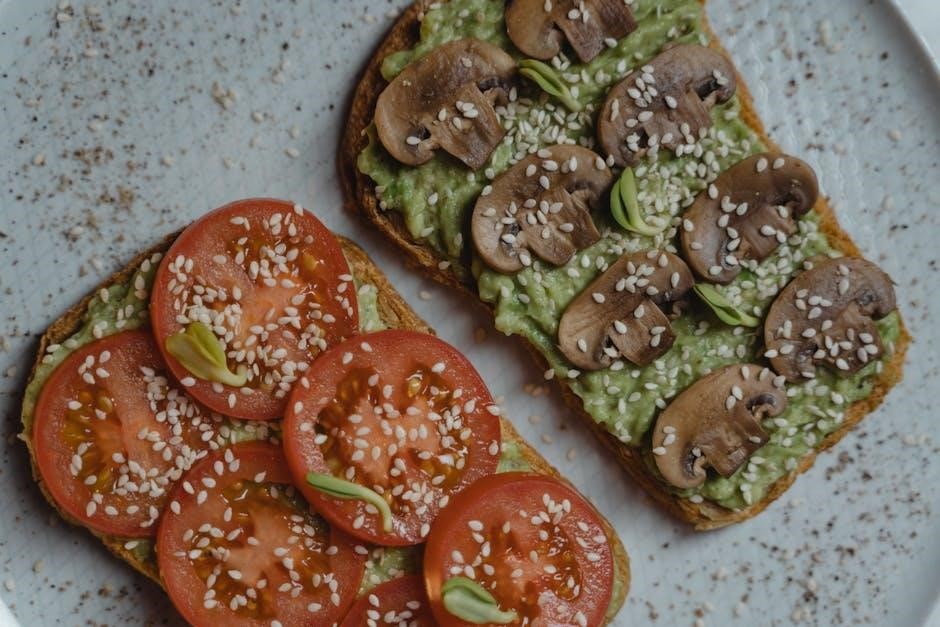
Here’s a sample one-day meal plan adhering to low-fat principles, aiming for approximately 30% of calories from fat. Breakfast: Oatmeal made with skim milk, topped with berries and a sprinkle of flaxseed. Lunch: Large salad with grilled chicken breast, mixed greens, and a light vinaigrette dressing. Include a side of whole-grain bread.
Dinner: Baked cod with steamed broccoli and quinoa. Snacks: Apple slices with a tablespoon of peanut butter (natural, no added sugar), or a small container of non-fat yogurt. Prioritize fresh fruits and vegetables throughout the day.
Remember to use low-fat cooking methods like baking, grilling, or steaming. Avoid frying and limit added oils. This plan emphasizes whole, unprocessed foods. Adjust portion sizes based on individual caloric needs. A printable meal plan, alongside a comprehensive food list, can aid in consistent adherence and successful implementation of a low-fat dietary approach. Hydration with water is also key.
Potential Challenges and How to Overcome Them
Adopting a low-fat diet can present hurdles. Hidden fats in processed “low-fat” foods are a significant challenge; diligently read labels and prioritize whole, unprocessed options. Cravings for fatty foods are common – combat these with satisfying, fiber-rich alternatives like fruits, vegetables, and legumes.
Social situations can be tricky. Plan ahead by offering to bring a healthy dish or making mindful choices when dining out. Nutrient deficiencies are possible if the diet isn’t well-balanced; ensure adequate intake of essential vitamins and minerals.
Maintaining long-term adherence requires consistent effort and a printable food list for easy reference. Focus on the positive aspects – increased energy, improved health – and seek support from friends, family, or a registered dietitian. Remember, small, sustainable changes are more effective than drastic restrictions.